Hyundai Creta: Petrol/Diesel vs Electric
Same name, same badge, same showroom floor - but very different ownership math. We pulled real numbers from 21 independent reviews, including three long-term tests running from 6,000km to 70,000km, to see which one actually makes sense for you.
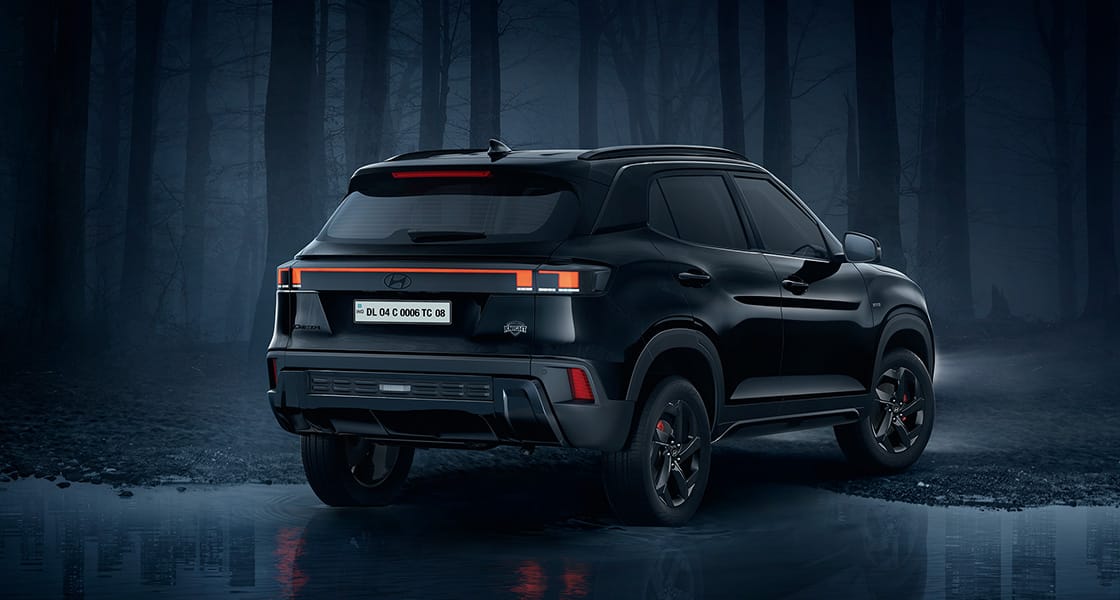
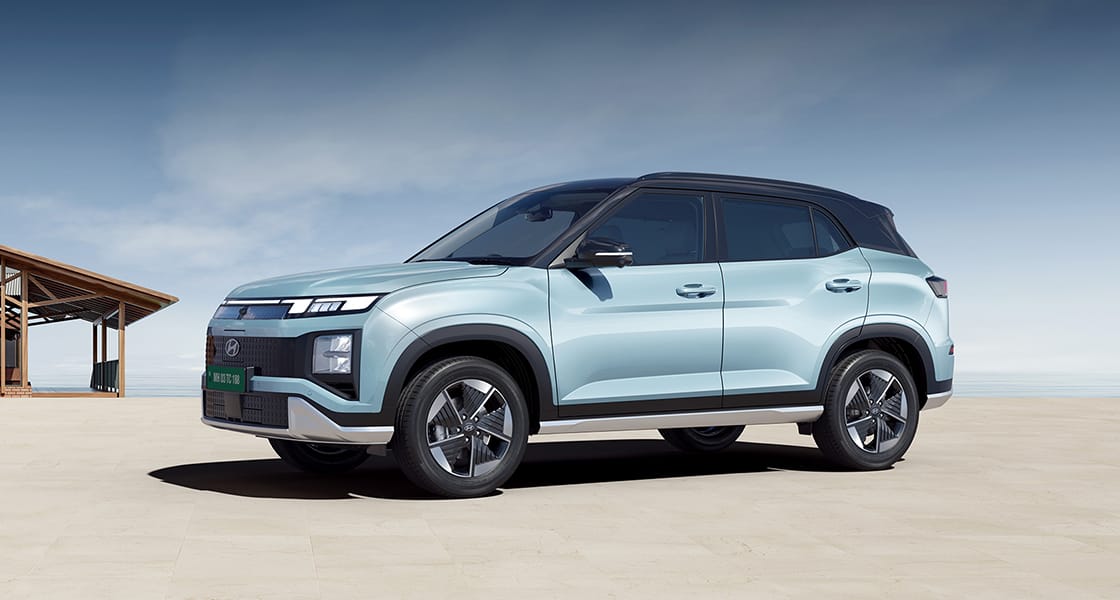
The real numbers
Not brochure figures - these are what independent long-term testers actually measured, pulled from the full reviews linked on each car's page.
| Metric | Hyundai Creta (ICE) | Hyundai Creta Electric |
|---|---|---|
| Price range | ₹10.91L – ₹20.11L ex-showroom | ₹18.03L – ₹24.55L ex-showroomRoughly ₹2-5L more than a comparably equipped ICE Creta, depending on trim |
| Powertrain | 1.5L NA petrol (115bhp) · 1.5L turbo-petrol (160bhp) · 1.5L turbo-diesel (116bhp) | 42kWh battery (135PS, 390km claimed) · 51.4kWh battery (171PS, 473km claimed) |
| Real-world range / mileage | Diesel: 14-15 kmpl city, 20+ kmpl highway · NA petrol: 10-11 kmpl · Turbo petrol: as low as 7-9 kmpl cityAutocar India 6,000-20,000km long-term tests | 350-430km real-world on a full charge, depending on speed and conditions · 7-9 km/kWh real-world efficiencyAutocar India 9,000km test, CarDekho 6,000km test, 70,000km owner interview |
| 0-100 km/h | ~9-10s (turbo-petrol DCT, approximate) | 8.1s tested (Autocar India), 7.9s claimed |
| Service cost | ~₹2,500-3,000 per 10,000km serviceMotorOctane (₹2,580) and Autocar India (under ₹3,000) long-term tests, no labour charge | ~₹2,800-2,900 per serviceReal 70,000km owner-reported figure - not dramatically cheaper than the ICE car despite fewer wear parts |
| Running cost per km | ₹6.50-13 depending on engine and drivingAt ~₹104/L petrol, ~₹93/L diesel (Delhi, Oct 2026), based on the real-world mileage above | ~₹1 on home charging · ~₹3 on DC fast chargingAutocar India's own long-term calculation, vs ~₹8/km for the equivalent petrol automatic |
| Price-premium breakeven | — | ~28,000km (home charging) or ~41,000km (public charging)Autocar India's own math on the ~₹2L premium over a comparable petrol automatic |
| Warranty | Standard Hyundai warranty (typically 3yr/unlimited km, extendable) | 8yr/1,60,000km on the battery pack · 3yr/unlimited km on the vehicle |
| A real durability note | Suspension noise and a recurring brake noise reported across multiple long-term units | Battery pack sits low and visibly exposed beneath the car - no damage reported in any test, but a real concern on sharp speed bumps |
Pros and cons
Pulled directly from the full reviews - see each car's page for every individual quote and rating.
Hyundai Creta (Petrol/Diesel)
- Three genuinely well-sorted engine options for different buyers, all confirmed refined and dependable by long-term testers
- 6 airbags and a Level 2 ADAS that works reliably on real Indian roads, confirmed independently by multiple reviewers
- Cheapest real running cost of any engine option if you pick the diesel or NA petrol sensibly
- Over 1.2 million sold - strong resale value and dealer network confidence
- No wireless Android Auto/CarPlay despite the price - the single most-repeated complaint across every review
- Turbo-petrol DCT's real-world city mileage (7-9 kmpl) is genuinely poor, worsened by E20 fuel
- Suspension and brake-noise niggles reported by more than one long-term owner
- Noticeably fewer features than the closely related Kia Seltos at similar money
Hyundai Creta Electric
- Real running cost of roughly ₹1/km on home charging - about one-eighth of the petrol automatic's ₹8/km
- Genuinely quick (8.1s 0-100 tested) and noticeably quieter and more composed than even the ICE Creta
- Early reliability signal is strong - a real 70,000km owner reports zero brake pad wear and no measurable range loss
- 8-year/1,60,000km battery warranty is a real safety net most rivals don't match
- A real ₹2-5 lakh premium over a comparable ICE Creta that more than one reviewer calls genuinely hard to justify
- Real-world range (350-430km) consistently falls short of the claimed 390/473km figures
- Exposed, low-hanging battery pack is a real (if so-far-unrealised) damage risk on bad roads
- Routine service cost isn't dramatically cheaper than the ICE car's, despite having fewer wear items
Our verdict: which should you buy?
There's no single winner here - it genuinely depends on your usage
Both cars land at an identical 7.8/10 in our aggregation, and that's not a coincidence - it reflects what the real reviews actually show. The Electric is the better car to drive and the cheaper car to run, full stop. But it asks for a real premium upfront, and whether that premium makes sense depends entirely on how much you drive and whether you can charge at home.
Autocar India's own long-term math puts the breakeven at roughly 28,000km with home charging - call it 18-24 months for an average Indian driver, sooner if you drive more. If you'll comfortably clear that distance and have a place to plug in overnight, the Electric's running-cost advantage compounds in your favour for as long as you own the car. If you drive under 10,000km a year, don't have reliable home charging, or simply want the lowest sticker price and widest service network, the regular Creta - ideally the diesel or the naturally-aspirated petrol, not the thirsty turbo - remains a genuinely sound, well-reviewed choice.
The diesel's real 20+ kmpl highway mileage and the NA petrol's low running cost make more sense than paying an EV premium you'll never earn back. Avoid the turbo-petrol DCT unless performance genuinely matters more than fuel bills to you.
You'll clear the price premium inside 2 years on fuel savings alone, and you get a genuinely quicker, quieter, more composed car in the meantime - backed by the strongest early reliability signal of any new EV we've covered.
Is the EV actually "greener"? The honest answer
Both "EV = zero emissions" and "petrol is fine, EVs are a scam" are oversimplifications. Here's what the actual lifecycle research says, specifically for India.
Petrol and diesel cars are not clean. Every litre burned releases CO2, along with real local-air-quality pollutants - particulate matter, NOx, and visible smoke, especially from diesel engines under load - that directly affect air quality in the cities where these cars are actually driven. This is well documented and isn't in serious dispute.
But an EV in India is not "zero emissions" either - it's cleaner, by a real but moderate margin. The electricity that charges a Creta Electric overnight comes from a grid that is still roughly 70-74% coal-powered as of early 2026. That matters, because unlike the exhaust pipe, the emissions just happen somewhere else - at the power plant instead of your street.
In other words: the EV genuinely does come out ahead over its full life, even on India's coal-heavy grid - independent studies consistently find real lifecycle savings, not a wash. But the margin is nowhere near the "zero emissions" framing used in advertising, and a bigger share of the EV's footprint is front-loaded into manufacturing the battery before the car has driven a single kilometre. As India's grid adds more solar and wind, that advantage will grow - it's already improving year over year - but it isn't there yet.
"I charge on home solar, so mine is actually zero-emissions" misses something real. Rooftop solar genuinely does make the electricity going into the car close to emissions-free for as long as you own it - that part is true and worth crediting. But it only answers where the day-to-day electricity comes from. It says nothing about where the battery itself came from. The pack was built in a factory, using grid power, water, and mined raw material, months before the car ever reached a showroom - and that footprint doesn't reset to zero because the charging socket is now wired to a rooftop panel instead of the grid. The solar panels themselves carry their own (smaller, but real) manufacturing footprint too. Charging source and manufacturing footprint are two separate ledgers, and a genuinely honest "clean" claim has to account for both, not just the one that's visible on your electricity bill.
And the aftermath, honestly: what happens when this specific battery dies in 8-10 years? A lithium-ion pack is genuinely hazardous waste if it's dumped rather than processed - the heavy metals and electrolyte chemicals inside can leach into soil and groundwater, and India's 2022 rules explicitly ban sending collected batteries to landfill or incineration for exactly this reason. The honest, good-news half of this story is that real recycling capacity now exists specifically to prevent that outcome: Lohum (Greater Noida, roughly 70% of India's battery-recycling market) and Attero (Noida/Uttarakhand, scaling from 11,000 to a targeted 300,000 tonnes of annual capacity by 2027) both run real plants today, not pilot projects. The honest caveat is that this industry is barely three years old in India and is racing to scale ahead of the wave of batteries that will actually start retiring later this decade - so "it'll be recycled responsibly" is a real, credible plan, not yet a proven track record at the scale this car's battery will eventually need.
None of this makes the ICE Creta's exhaust or the Electric's battery supply chain "clean" in any absolute sense - it makes them differently dirty, in different places, on different timelines. The ICE car's cost is immediate and local: particulate matter and NOx in the air where you actually drive, worse on the thirsty turbo-petrol than the diesel or NA petrol. The Electric's cost is front-loaded and distant: water and mining impact in a lithium operation you'll never see, with a disposal bill that comes due a decade from now. Neither side of this comparison is environmentally free.
Our honest take: if lower lifecycle emissions genuinely matter to your decision, the Creta Electric is the better choice on the numbers - but buy it for the running cost and the driving experience first, and treat "it's basically carbon-neutral" as marketing, not fact. And if you're sticking with the ICE Creta, the diesel and NA petrol's better real-world fuel economy also means less burned per kilometre than the thirsty turbo - which matters for your fuel bill and for what comes out of the tailpipe.